



未购
中图号Q81
语种ENG
出版年2011
出版信息
WSPC
EISBN
9789814365734
PISBN
9789814365710
版次
2nd ed.
- 介绍
- 目录
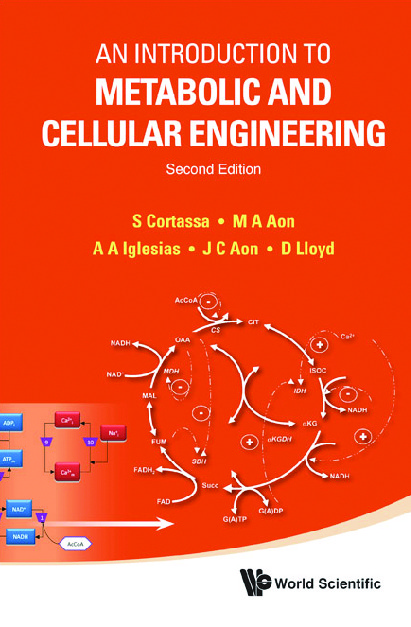
Metabolic and Cellular Engineering (MCE) is more than an exciting scientific enterprise. It has become the cornerstone for coping with the challenges ahead of mankind. Continuous developments, new concepts, and technological innovations will enable us to deal with emerging challenges, and solve problems once thought impossible ten years ago. Challenges in MCE are broad- from unraveling fundamental aspects of cellular function to meeting unsatiated energy and food demands that are rising in parallel with population growth.In charting the progress of MCE during the last decade, we could not help but feel in awe of the enormous strides of progress made from the nascent Metabolic Engineering to the Systems Bioengineering of today. The burgeoning availability of genomic sequences from diverse species has been spectacular. It has become the engine that drives the genetic means for the modification of existing organisms and the generation of synthetic, man-made ones. From the initial attempts at purposeful genetic modification of a cell for the production of valuable compounds, we have now moved on to changing microbes genetically or metabolically.The arsenal of experimental and theoretical tools available for Metabolic and Cellular Engineering has expanded enormously, driven by the re-emergence of Physiology as Systems Biology. The revival of the concept of networks fueled by new developments has become central to Systems Biology. Networks represent an integrative vision of how processes of disparate nature relate to each other, and as such is becoming a key analytical and conceptual tool for MCE. This book reflects and addresses all these ongoing changes while providing the essential conceptual and analytical tools needed to understand and work in the MCE research field.
机构馆藏
- 哥伦比亚大学
- 剑桥大学
- 加州大学伯克利分校
- 墨尔本大学图书馆
- 斯坦福大学
- 牛津大学
- 麻省理工大学
- 普林斯顿大学
相似图书