



未购
中图号Q693
语种ENG
出版年2021
出版信息
Princeton University Press
EISBN
9781400845088
PISBN
9780691156279
版次
- 介绍
- 目录
- 作者简介
- 推荐
The amazing science behind the search for Earth-like planets
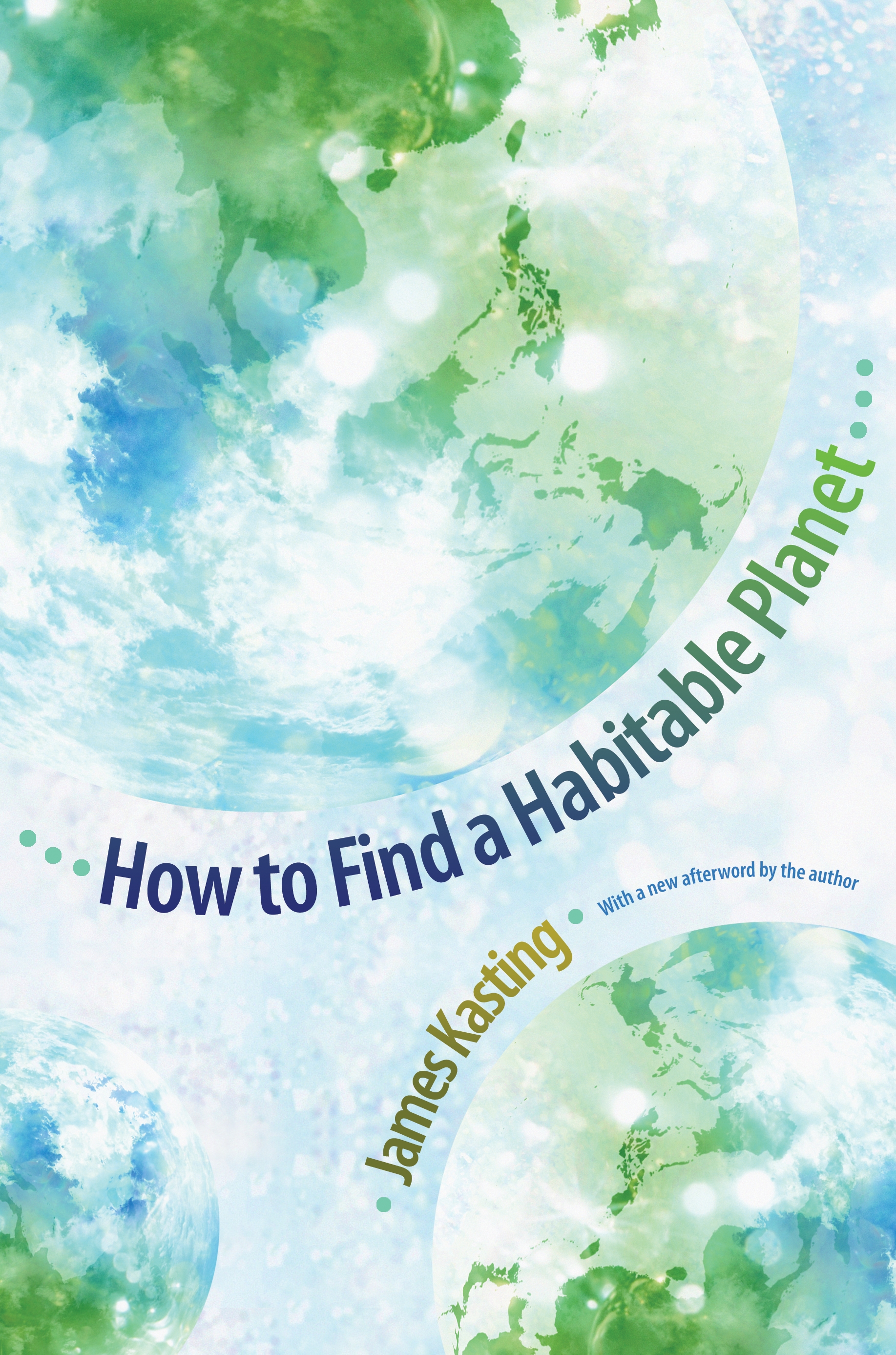
Ever since Carl Sagan first predicted that extraterrestrial civilizations must number in the millions, the search for life on other planets has gripped our imagination. Is Earth so rare that advanced life forms like us―or even the simplest biological organisms―are unique to the universe? How to Find a Habitable Planet describes how scientists are testing Sagan's prediction, and demonstrates why Earth may not be so rare after all.
James Kasting has worked closely with NASA in its mission to detect habitable worlds outside our solar system, and in this book he introduces readers to the advanced methodologies being used in this extraordinary quest. He addresses the compelling questions that planetary scientists grapple with today: What exactly makes a planet habitable? What are the signatures of life astronomers should look for when they scan the heavens for habitable worlds? In providing answers, Kasting explains why Earth has remained habitable despite a substantial rise in solar luminosity over time, and why our neighbors, Venus and Mars, haven't. If other Earth-sized planets endowed with enough water and carbon are out there, he argues, chances are good that some of those planets sustain life. Kasting describes the efforts under way to find them, and predicts that future discoveries will profoundly alter our view of the universe and our place in it.
This book is a must-read for anyone who has ever dreamed of finding other planets like ours―and perhaps even life like ours―in the cosmos. In a new afterword, Kasting presents some recent breakthroughs in the search for exoplanets and discusses the challenges facing space programs in the near future.
机构馆藏
- 剑桥大学
- 牛津大学
- 普林斯顿大学