




未购
中图号TU98
语种ENG
出版年2017
出版信息
Wiley
EISBN
9781119097112
PISBN
9781119097129
- 介绍
- 目录
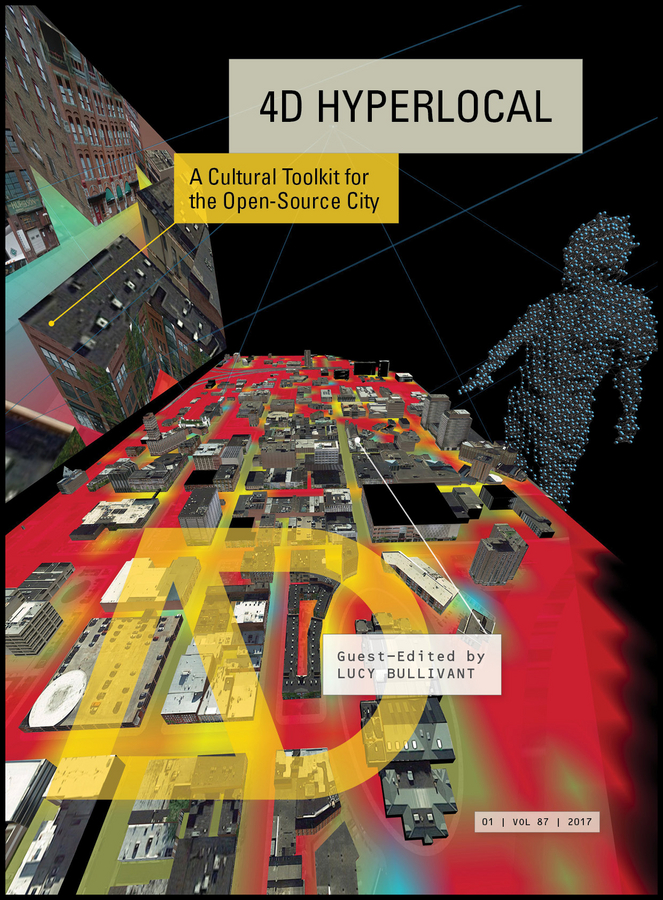
The evolution of digital tools is revolutionising urban design, planning and community engagement. This is enabling a new ‘hyperlocal’ mode of design made possible by geolocation technologies and GPS-enabled mobile devices that support connectivity through open-source applications. Real-time analysis of environments and individuals’ input and feedback bring a new immediacy and responsiveness. Established linear design methods are being replaced by adaptable mapping processes, real-time data streams and experiential means, fostering more dynamic spatial analysis and public feedback. This shifts the emphasis in urban design from the creation of objects and spaces to collaboration with users, and from centralised to distributed participatory systems.