




未购
中图号TU98
语种ENG
出版年2015
出版信息
Wiley
EISBN
9781118915691
PISBN
9781118915646
- 介绍
- 目录
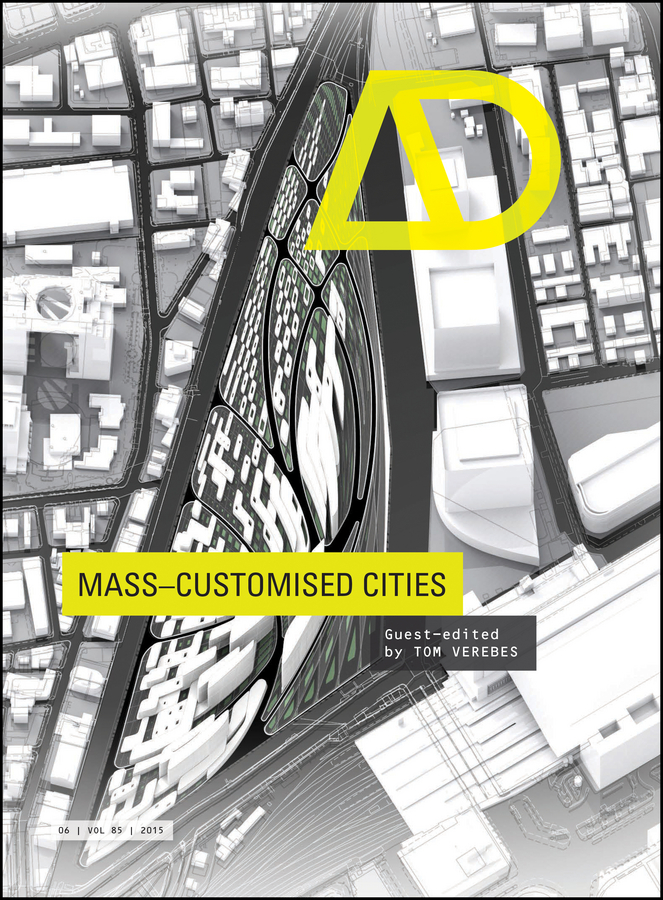
What happens when computational design and fabrication technologies ramp up to the urban scale? Though these innovative production processes are currently now largely limited to small-scale design projects, what will happen when they are applied to the vast scale of the 21st-century world city? Could new technologies enable an important shift away from mass production to increasingly bespoke and custom-designed systems? The introduction of standardisation and mass production processes in the 20th century saw the industrial city take on a repetitious and homogeneous quality through the duplication of component parts. Today non-standard, bespoke systems hold out the promise of realising a distinctive urbanism; characterized by the differentiation of serial production and the variation of simple parts that should lead to a more complex and compelling whole. Given the current pace and rate of urbanisation in Asia, the mass customization of the city is set to have imminent and far-reaching practical consequences for the rest of the developing and developed world.
机构馆藏
- 哥伦比亚大学
- 加州大学伯克利分校
- 伦敦大学
- 斯坦福大学
- 普林斯顿大学
- 耶鲁大学