



未购
中图号R5
语种ENG
出版年2006
出版信息
Wiley
EISBN
9780470028780
PISBN
9780470016107
版次
1
- 介绍
- 目录
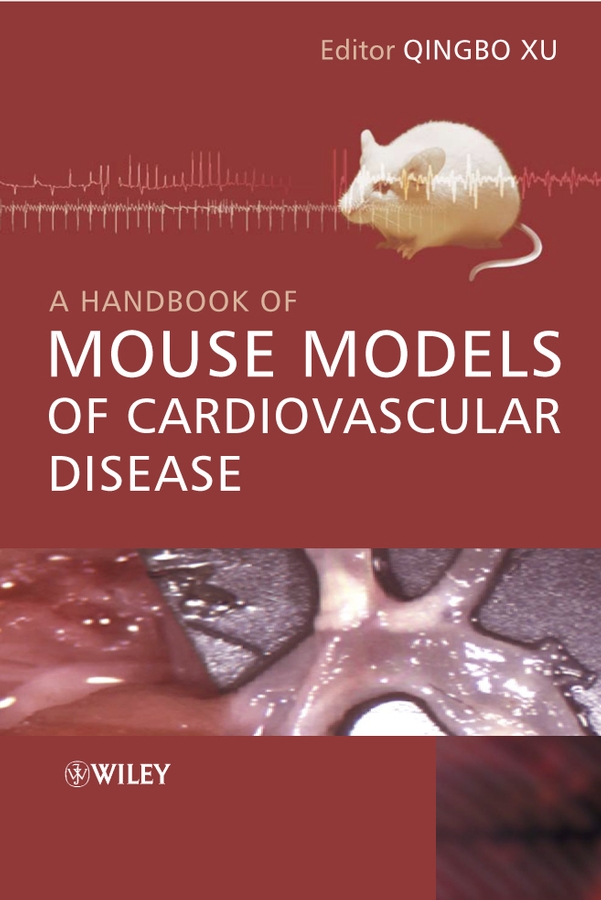
The use of animal models in the study of cardiovascular diseases is essential to answer many questions. For instance, evaluation of a risk factor as a single independent variable, excluding other factors, can best be performed in animals free of concomitant diseases or abnormalities and with well known genetic characteristics. This is not possible in human subjects. Furthermore, experiments using animals are the only way to develop and test new diagnostic, preventive and therapeutic procedures for both ethical and practical reasons. The investigator can control the experimental variables, and obtain tissue and serum samples as well as other material needed for measurements under optimal conditions, which is difficult, if not impossible, in studies with human subjects. Attracted by the availability of well-defined genetic systems of transgenic and knockout mice, many investigators have begun to use the mouse as an experimental system for arteriosclerosis research. Hundreds of inbred lines have been established, the genetic map is relatively well defined, and both congenic strains and recombinant strains are available to facilitate genetic experimentation. In just a few years, murine lipoproteins have been characterized, genetic variants of apolipoproteins identified, and genetic variation in susceptibility to atherosclerosis has been demontrated among inbred mouse strains. Although mice are widely used by many laboratories, some problems often appear due to insufficient knowledge of the specific model, especially technical issues. Many mouse models involve microsurgical techniques, which require suitable training.